
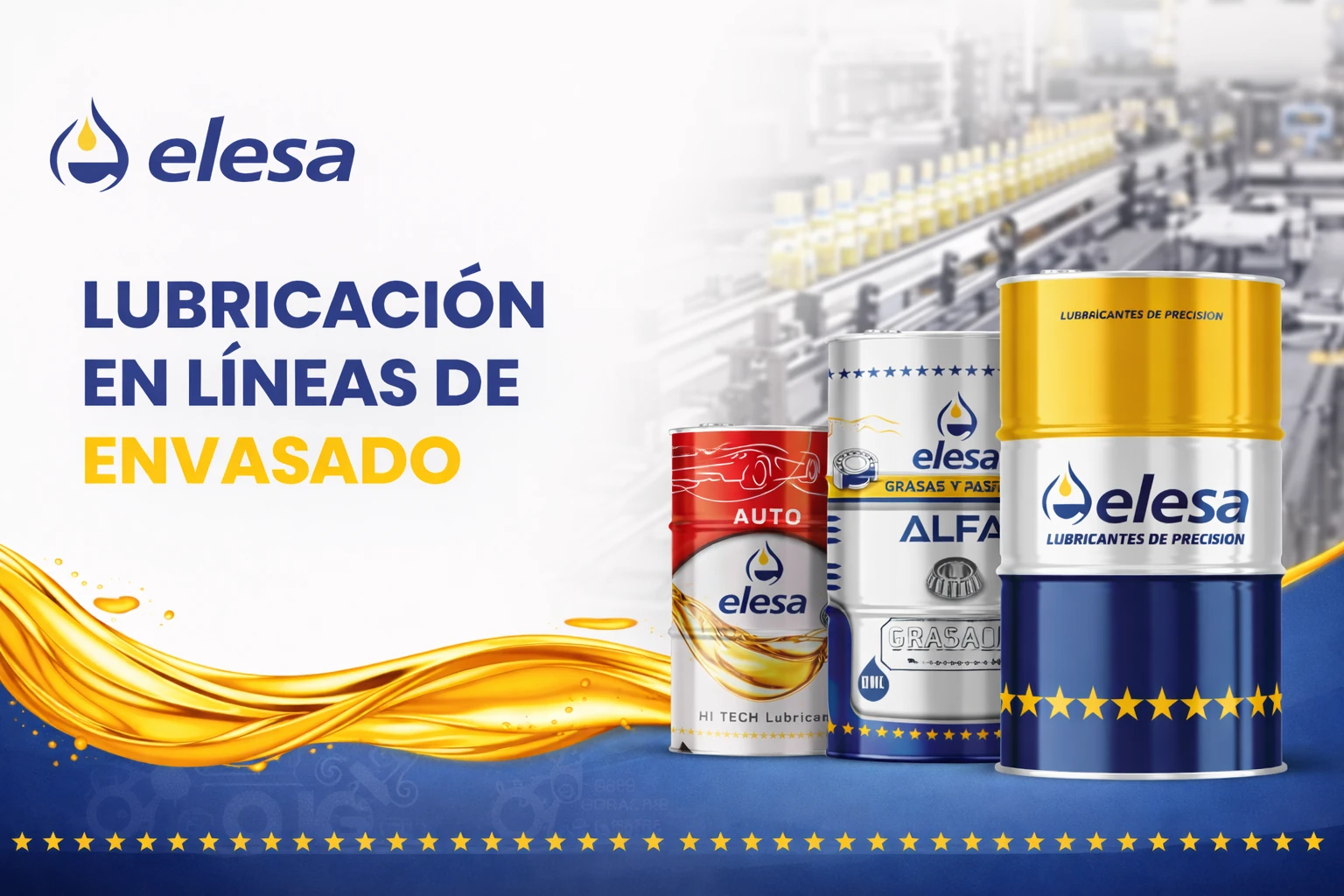
Lubrication in packaging lines is a critical factor in ensuring operational continuity, food safety and efficiency in production plants. In these facilities, which involve conveyors, chains, bearings, guides and automated systems, inadequate lubrication can cause unplanned downtime, premature component wear and contamination risks. That is why it is essential to use lubricants specifically designed for the food industry, correctly selected according to the working conditions and applied through a well-defined maintenance plan that ensures the line's continuous performance.
The importance of lubrication in food packaging lines
In packaging lines, equipment runs continuously and at high speeds, generating friction, heat and wear at many points in the system. Proper lubrication not only reduces friction and protects mechanical components but also helps maintain energy efficiency and prevent breakdowns that could interrupt production. In addition, the food sector must comply with specific regulations, so the lubricants used must be suitable for environments where there is a risk of incidental contact with food, such as H1/NSF certified lubricants, which guarantee safety and compliance with the required quality standards.
Critical lubrication points in a packaging line
A packaging line has many points that require correct lubrication to ensure optimal operation. These include conveyor chains, bearings, slideways, transmission systems and drive mechanisms, all of which are subjected to demanding working conditions such as continuous loads, humidity, frequent cleaning and temperature changes. Correctly identifying these points and applying the right lubricant to each one reduces wear, minimises noise and vibration and improves the overall reliability of the system, avoiding incidents that could affect productivity.
Which lubricants to use in packaging lines
Lubricant selection is one of the most important aspects of these applications, as it must meet not only technical requirements but also food safety regulations. It is therefore essential to use H1/NSF certified lubricants, specifically formulated for environments where incidental contact with food may occur. These lubricants offer properties such as water resistance, thermal stability, corrosion protection and excellent adhesion, making them particularly suitable for equipment subjected to frequent cleaning and demanding conditions. Choosing the right product according to the type of component and the working conditions maximises equipment service life and ensures safe operation.
Common problems caused by poor lubrication
Inadequate lubrication in packaging lines can cause many problems that affect both production and the quality of the final product. The most common include premature component wear, increased friction, excessive heat generation and mechanical failures that can lead to line stoppages. In addition, using unsuitable lubricants can pose a contamination risk, especially in food industries, where safety standards are particularly strict. Avoiding these problems requires correct lubricant selection, proper application and ongoing system maintenance.
How to optimise lubrication in packaging lines
Optimising lubrication in these facilities involves implementing a structured plan covering the selection of the right lubricant, the application frequency and the most efficient lubrication method. Introducing automatic lubrication systems can significantly improve precision and reduce product consumption, while minimising manual intervention and the associated errors. In addition, regularly monitoring the condition of lubricants and components makes it possible to anticipate potential failures and improve the overall efficiency of the system, reducing maintenance costs and increasing productivity.
Improve the efficiency of your packaging line with the right lubrication
Having the right lubrication strategy is key to ensuring the performance of packaging lines and meeting the quality and safety standards of the food sector. Combining a good maintenance plan, the use of certified lubricants and optimised application processes reduces breakdowns, improves operational efficiency and extends equipment service life. Opting for specific solutions for this type of application is a direct investment in productivity, reliability and safety.