
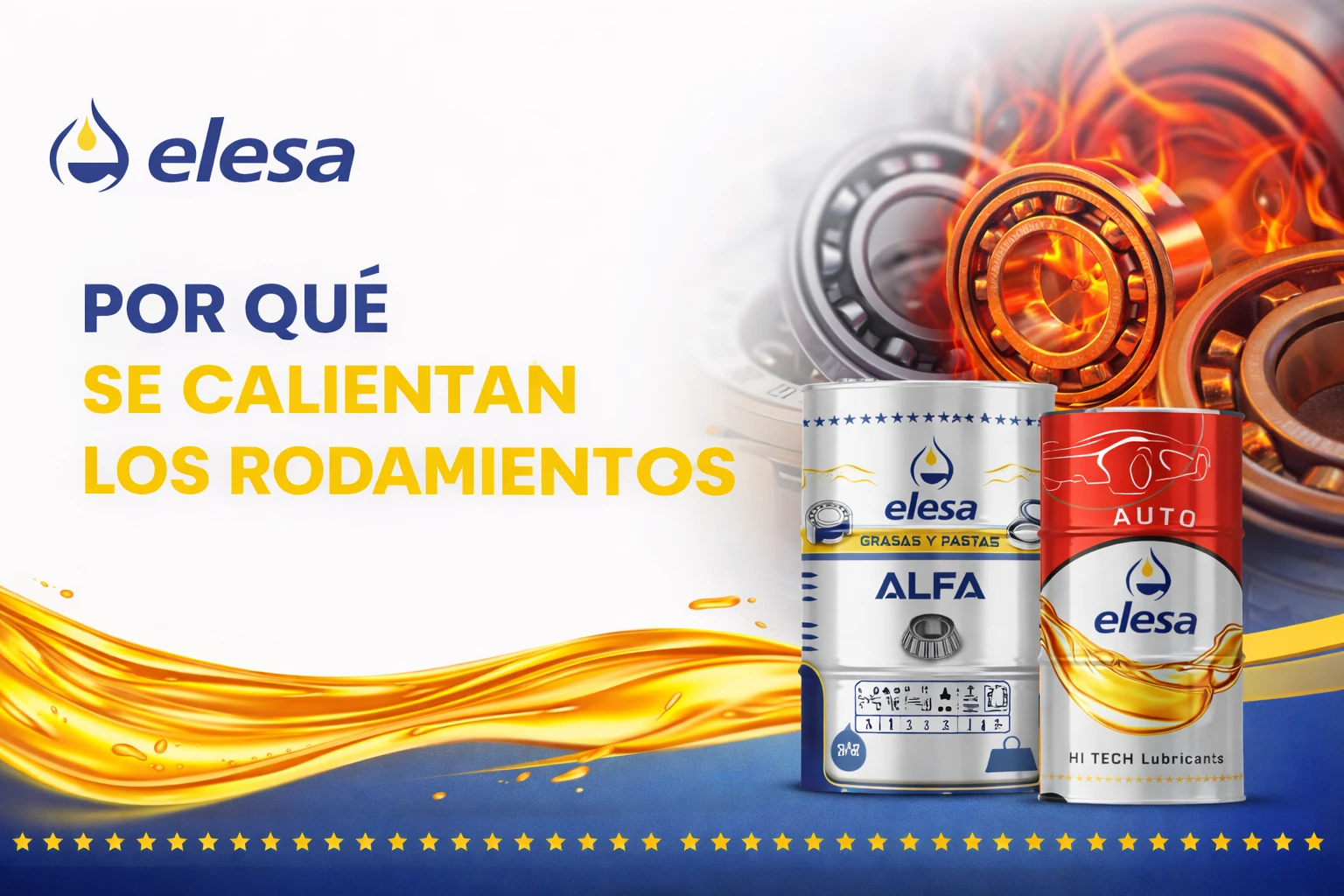
Bearing overheating is one of the most common problems in industrial machinery and, at the same time, one of the main causes of premature equipment failure. When a bearing runs above its recommended temperature, its service life is drastically reduced, affecting equipment performance and increasing the risk of unplanned downtime. This is usually linked to inadequate lubrication, poor installation or incorrect operating conditions, so identifying the root cause is essential to apply an effective solution and prevent greater damage to the machinery.
Main causes of bearing overheating
Rising bearing temperatures can be caused by multiple factors that are often interrelated. One of the most common is incorrect lubrication, whether due to too little lubricant, too much, or the use of a product unsuitable for the operating conditions. When the lubricant lacks the required properties, friction increases and heat is generated, which accelerates wear of the internal components.
Another frequent factor is incorrect bearing installation, such as mounting with unsuitable tolerances, misalignment or excessive stress, which causes irregular running and a rise in temperature during operation. On top of this come demanding operating conditions, such as high speeds, heavy loads or contaminated environments, which can make the problem worse if the right lubricants and fits are not used.
How overheating affects bearings
When a bearing runs continuously at high temperatures, the lubricant degrades faster, losing its properties and its ability to protect. This increases internal friction, which in turn raises the temperature even further, creating a cycle of progressive deterioration.
Excessive heat can also cause deformation of metal components, loss of tolerances and damage to the raceways and rolling elements. All of this leads to vibration, noise and, ultimately, bearing failure, which can result in a complete equipment shutdown and high repair costs.
Signs that a bearing is overheating
Detecting overheating early is key to avoiding more serious failures. Some of the most common signs include an abnormal rise in temperature around the bearing, noise or vibration, visible degradation of the lubricant and changes in equipment performance.
Losses in energy efficiency are also common, as the system needs more effort to run properly when internal friction increases. Regular monitoring of these parameters lets you anticipate potential breakdowns and act before the problem gets worse.
How to stop bearings from overheating
Preventing bearing overheating comes down to proper lubrication and maintenance management. It is essential to use the right lubricant in each case, taking into account factors such as load, speed and operating temperature, and to follow the recommended lubrication quantities and intervals.
Correct bearing installation is also key to avoiding unnecessary stresses that can generate heat. This includes ensuring proper alignment and using dedicated mounting tools.
In addition, keeping the system clean and protected against contaminants such as dust or moisture helps preserve optimum operating conditions and prevent premature deterioration of the lubricant.
Solution: choosing the right bearing lubricant
One of the most decisive factors in preventing bearings from overheating is choosing the right lubricant. Greases and oils designed specifically for bearings offer properties such as high wear resistance, thermal stability and the ability to withstand heavy loads, which helps reduce friction and keep temperature under control.
In industrial applications, using high-quality lubricants suited to each operating condition not only prevents overheating problems but also extends bearing life and improves equipment efficiency.
Improve your equipment's performance by preventing overheating
Preventing bearings from overheating is not just a maintenance issue but a key strategy for improving productivity and reducing costs in industrial settings. Implementing good lubrication practices, selecting the right products and continuously monitoring equipment condition helps minimise breakdowns and optimise machinery performance.
Having lubrication solutions tailored to each application is essential to ensure reliable operation and extend the service life of critical components.